Celebrating World Braille Day 2025: Honoring Louis Braille and Advancing Accessibility

Every year on January 4th, we come together to celebrate World Braille Day. It’s a date that marks the birth of Louis Braille, the visionary who revolutionized the way the blind and visually impaired interact with the world around them. Born in 1809 in France, Louis Braille’s life story is one of resilience, ingenuity, and a deep commitment to equality.
At just 15 years old, Braille invented the system, a tactile writing system that allows people who are blind or visually impaired to read and write. This innovation, inspired by Charles Barbier’s night writing system, has been refined over time but remains the foundation of braille literacy around the world today.
Why is World Braille Day Worth Celebrating?
World Braille Day is more than just a celebration of Louis Braille’s contribution to society. It serves as an essential reminder of the importance of accessibility and independence for people who are blind or visually impaired. While braille has opened many doors to education and personal autonomy, there are still significant gaps in the accessibility of everyday materials and services.
For example, in many public restaurants, banks, and hospitals, braille versions of menus, financial statements, or bills are still not widely available. This leaves people with visual impairments at a disadvantage, unable to make choices freely or keep personal information private. The lack of braille accessibility limits opportunities for independence, making it harder for those affected to participate fully in society.
World Braille Day helps spread awareness about these issues, emphasizing that everyone, regardless of ability, deserves the same accommodations and services. reminds us of our shared responsibility to create more inclusive environments, whether in the workplace, public spaces, or at home.
Benefits of the Braille System
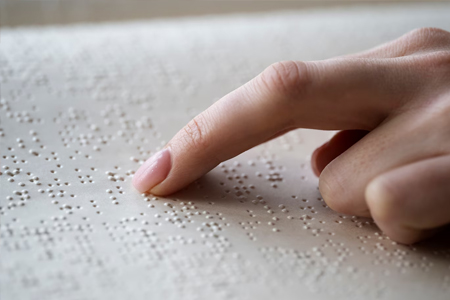
One of the most important aspects of braille is that it allows independent interaction with printed material. For example, being able to read a braille menu in a restaurant gives blind individuals the freedom to decide what to order without relying on someone else. Similarly, a braille bank statement lets individuals review their financial records and ensure their privacy without needing assistance.
Although some people might prefer other accessible formats, such as audio or digital text-to-speech tools, braille stands out for its ability to provide tactile, on-demand access to information. The act of physically reading braille allows people to engage more actively with their surroundings, whether it’s reading a book, navigating a public space, or understanding financial documents.
The Importance of Braille Literacy
Beyond its practical applications, braille is also a powerful tool for literacy and education. For those who are blind or visually impaired, braille provides an essential foundation for learning, communication, and employment. Like sighted children learn to read and write with the alphabet, braille literacy enables blind individuals to acquire the knowledge they need to succeed in all aspects of life.
Today, innovations like braille Rubik’s cubes, watches, Lego-style bricks, and even interactive toys are helping to foster braille literacy in younger generations. These creative tools not only make learning fun but also reinforce the critical importance of braille as a skill.
Even in the modern digital age, where many services are now accessible via screen readers and other technologies, braille remains a key form of tactile literacy. This is why we find braille on everyday items, from signs to ATMs to elevators, and why it continues to be taught in schools and institutions for the blind.
Let’s all do our part in making sure that access to information, services, and opportunities is not determined by sight but by the fundamental right to equality and inclusion. Happy World Braille Day!