World Blood Donor Day: What You Need to Know About Donation of Blood

June 14 is annually celebrated as World Blood Donor Day. It was first observed by four organizations; the World Health Organization, the International Federation of Red Cross and Red Crescent Societies; the International Federation of Blood Donor Organizations (IFBDO) and the International Society of Blood Transfusion (ISBT) in 2004.
The primary motive of the day is to raise awareness of the need for safe blood and blood products and to thank blood donors for their voluntary, life-saving gifts of blood. The date 14th June was selected as it is also the birth anniversary of Karl Landsteiner, a Nobel Laureate for his discovery of the ABO blood group system.
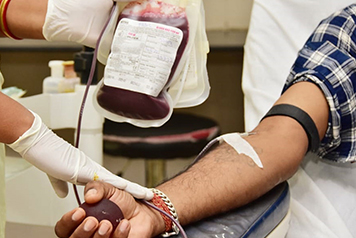
To mark World Blood Donor Day, we will be looking at the importance and some general facts about blood donation.
Saving Lives: Blood donation is vital for saving lives in emergency situations such as accidents, natural disasters, and medical procedures like surgeries and childbirth complications. Donated blood provides essential support to patients who have lost blood due to injury or surgery.
Treatment of Medical Conditions: Many medical conditions require regular blood transfusions as part of their treatment, including cancer patients undergoing chemotherapy, individuals with blood disorders like thalassemia and sickle cell disease, and those undergoing organ transplants. Without an adequate supply of donated blood, these patients would not receive the treatment they need to survive.
Improving Health: Regular blood donation helps maintain the health of donors by reducing the risk of certain diseases. Donating blood can lower the risk of heart disease and certain cancers by reducing the levels of iron in the blood, which can accumulate over time and increase the risk of these conditions.
Community Support: Blood donation is a way for individuals to give back to their communities and help those in need. It fosters a sense of solidarity and compassion among community members, as people come together to support one another in times of crisis.
Ensuring an Adequate Blood Supply: Blood banks and hospitals rely on regular blood donations to maintain an adequate supply of blood for patients in need. Donated blood has a limited shelf life, so a steady stream of donations is necessary to ensure that hospitals have enough blood on hand to meet demand.
Emergency Preparedness: Blood donation plays a crucial role in emergency preparedness, ensuring that hospitals are equipped to respond effectively to mass casualty events such as natural disasters, terrorist attacks, or pandemics. Having a sufficient supply of donated blood readily available can save countless lives in these situations.
However, there are certain myths which prevent people from donating blood. So here are a few myths that we would like to break
Donating blood is painful and can cause weakness: While some people may experience mild discomfort during the donation process, such as a slight pinch when the needle is inserted, the procedure is generally not painful. After donation, donors are typically advised to rest for a short period and drink fluids to prevent feelings of weakness. However, most donors feel perfectly fine after donating and can resume their normal activities.
Donating blood can make you sick: Donating blood does not make you sick. The equipment used for blood donation is sterile and disposable, ensuring that there is no risk of infection. Additionally, donors undergo a screening process to ensure that they are in good health and eligible to donate blood. Donors are also advised to follow post-donation guidelines to minimize any potential risks.
People with tattoos or piercings cannot donate blood: While there may be some restrictions on blood donation for individuals with recent tattoos or piercings, many blood donation centres accept donations from individuals with tattoos or piercings as long as certain criteria are met. These criteria typically include ensuring that the tattoo or piercing was done at a licensed facility and that a certain amount of time has passed since the procedure.
Donating blood is time-consuming: While donating blood does require some time commitment, the actual donation process typically takes less than an hour from start to finish. The donation itself usually takes around 10-15 minutes, depending on the individual's blood flow rate. Many blood donation centres also offer convenient scheduling options to accommodate donors' busy schedules.
People with certain medical conditions cannot donate blood: While there are some medical conditions that may disqualify individuals from donating blood, many common health conditions do not automatically exclude someone from donating. Eligibility criteria vary by donation centre and may depend on factors such as the individual's overall health, medication use, and specific medical history. It's essential for potential donors to discuss their medical history with donation centre staff to determine their eligibility.
Blood donation leads to weight gain: There is no evidence to suggest that donating blood leads to weight gain. In fact, donating blood removes a small amount of weight (usually around one pound) from the donor's body. Any temporary changes in weight following blood donation are typically due to factors like fluid intake and will not result in long-term weight gain.
Blood donation is a sin: Most major religions do not prohibit blood donation and, in fact, many encourage it as an act of charity and saving lives.
Please share this blog with your friends and family members to make them aware of the importance of blood donation.