Accountability in the NGO Sector: Why Transparency Builds Trust
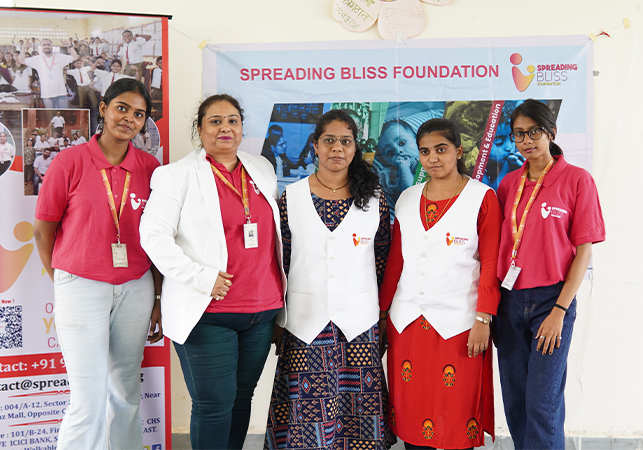
Non-governmental organisations (NGOs) play an important role in addressing social challenges, supporting vulnerable communities, and creating opportunities for people who may otherwise be left behind. However, meaningful social impact is built on more than good intentions. It requires accountability, responsible practices, and transparency.
For NGOs, trust is one of the most valuable assets. Donors, volunteers, corporate partners, beneficiaries, and communities place their confidence in organisations to use resources responsibly and create genuine impact. Transparency helps strengthen that confidence.
Why Accountability Matters in the NGO Sector
Accountability means taking responsibility for decisions, resources, programmes, and outcomes. For an NGO, this includes being clear about how funds are utilised, how programmes are implemented, who benefits from them, and what outcomes they create.
An organisation that communicates openly about its work allows stakeholders to understand not only what was achieved, but also how the impact was created. This encourages informed engagement and creates stronger relationships between NGOs and the communities and partners they serve.
Accountability also encourages organisations to continuously evaluate their programmes. Monitoring outcomes, documenting activities, reviewing challenges, and learning from experiences can help NGOs improve their approach and ensure that resources are directed towards meaningful interventions.
Transparency Builds Donor and Partner Confidence
For donors and corporate partners, supporting an NGO is an investment in social change. They want to know that their contributions are being managed responsibly and reaching the intended purpose.
Transparent communication can include sharing programme updates, impact reports, financial information, beneficiary stories, and measurable outcomes. Such practices give stakeholders greater visibility into an organisation’s work and help create long-term partnerships based on credibility rather than assumptions.
Transparency is equally important for volunteers and the wider public. When organisations communicate their work honestly and consistently, people are more likely to participate, support campaigns, volunteer their time, and advocate for the causes they care about.
Accountability Is Also About Beneficiaries
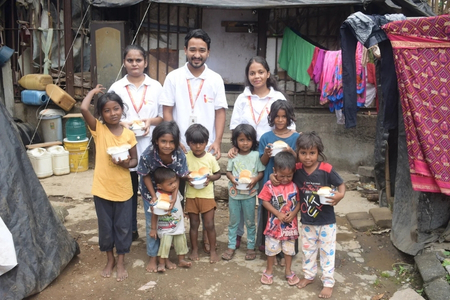
Transparency should not exist only between an NGO and its donors. The communities an organisation serves should remain at the centre of accountability.
Beneficiaries deserve dignity, respect, and clarity about the support available to them. Listening to their feedback, understanding their needs, and evaluating whether interventions are genuinely helping are essential parts of responsible social development.
An NGO’s impact should therefore be measured not only by the number of activities conducted, but by the difference those activities make in people's lives.
Spreading Bliss Foundation: Building Trust Through Responsible Action
At Spreading Bliss Foundation (SBF), the commitment to social change is strengthened by a focus on responsible and community-oriented action. From supporting education and healthcare to providing food assistance, menstrual health support, legal assistance, and other forms of community aid, SBF works towards addressing practical needs while creating meaningful social impact.
For SBF, accountability means approaching every initiative with responsibility, documenting impact, listening to communities, and maintaining transparency with stakeholders. It is about ensuring that support reaches those who need it and that every programme contributes towards a larger vision of dignity, inclusion, and opportunity.
The NGO sector thrives when trust is earned through action. Transparency does not simply demonstrate what an organisation has done—it demonstrates its commitment to doing better.
Because social impact deserves trust, and trust is built through accountability.