United Nations Day: Some of the Significant Achievements of the International Body

Every year on October 24, the world celebrates United Nations Day, marking the anniversary of the UN Charter's entry into force in 1945. The United Nations (UN) was established after World War II to prevent future conflicts, promote peace, and ensure cooperation among nations.
Since then, the UN has played a pivotal role in addressing global challenges and making the world a better place. It has supplied vaccines to 45 per cent of the world’s children, saved 3 million lives annually in the process and helped 71.4 million people fleeing war, famine and persecution.
1. Maintaining Global Peace and Security
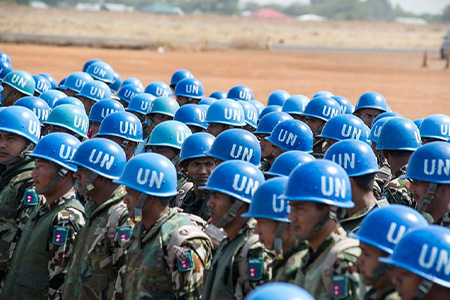
One of the UN’s core mandates is to maintain international peace and security. Over the decades, the UN has been instrumental in mediating conflicts, deploying peacekeeping forces, and reducing the risk of wars. UN peacekeepers, often called the "blue helmets," have been deployed to conflict zones worldwide, helping to stabilize post-conflict regions and facilitate the transition to peace. From ending the conflict in Cambodia to maintaining peace in Sierra Leone, the UN’s peacekeeping missions have contributed to protecting civilians and supporting political processes that foster long-term stability.
The UN also played a crucial role in disarmament efforts, promoting nuclear non-proliferation through the Treaty on the Non-Proliferation of Nuclear Weapons (NPT), and spearheading conventions that ban chemical and biological weapons.
2. Promoting Human Rights
Human rights have always been at the forefront of the UN’s agenda. In 1948, the UN adopted the Universal Declaration of Human Rights, a landmark document that enshrines the rights and freedoms of all people. The UN's work in advancing human rights spans a wide range of issues, from advocating for gender equality to protecting vulnerable populations such as refugees, children, and indigenous people.
Through its various bodies, such as the Human Rights Council and the Office of the High Commissioner for Human Rights (OHCHR), the UN monitors and addresses human rights violations around the world. The UN also supports international justice by establishing special tribunals, such as the International Criminal Tribunal for Rwanda and the International Criminal Court, which bring perpetrators of war crimes and genocide to justice.
3. Eradicating Poverty and Promoting Sustainable Development
The UN has been a driving force behind global efforts to eradicate poverty and promote sustainable development. In 2000, the UN launched the Millennium Development Goals (MDGs), which led to significant progress in reducing poverty, improving health outcomes, and increasing access to education in many parts of the world. Building on the success of the MDGs, the UN adopted the 2030 Agenda for Sustainable Development in 2015, along with 17 Sustainable Development Goals (SDGs). These goals address a wide array of global challenges, from ending hunger and ensuring clean water for all to combating climate change and reducing inequalities.
The UN’s specialized agencies, such as the United Nations Development Programme (UNDP) and the World Health Organization (WHO), work tirelessly to improve living standards and promote inclusive economic growth in developing countries. Efforts like the UN’s Global Compact, which encourages businesses to adopt sustainable and socially responsible practices, further underline the organization’s commitment to a fairer, more equitable world.
4. Addressing Global Health Crises
The UN, particularly through the WHO, has been at the forefront of global health initiatives. It has coordinated international efforts to combat diseases such as smallpox, polio, HIV/AIDS, and more recently, the COVID-19 pandemic. The WHO's successful eradication of smallpox in 1980 is considered one of the greatest achievements in public health history.
The UN has also played a pivotal role in addressing humanitarian crises resulting from natural disasters, conflicts, and pandemics. Agencies like the United Nations Children's Fund (UNICEF) and the World Food Programme (WFP) deliver life-saving assistance to millions of people around the world, ensuring food security, education, and healthcare in some of the most challenging environments.
Spreading Bliss Foundation is greatly inspired by the United Nations and hopes to emulate its success at whatever level possible.