The Social Cost of Child Marriage: Health, Education, and Economic
Fallout
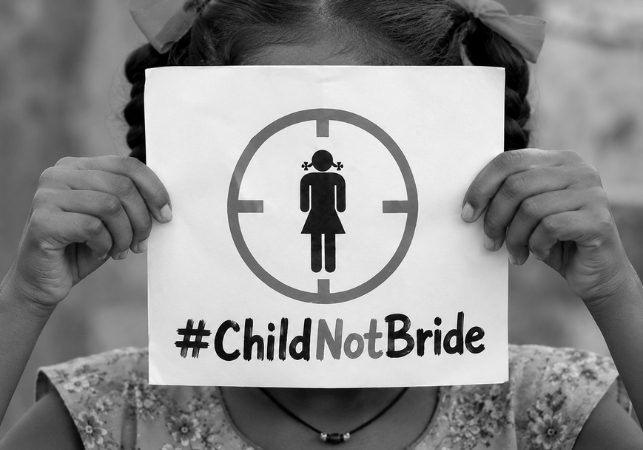
Child marriage remains one of the most pressing challenges affecting the well-being and future of children, particularly girls, across many parts of the world. Despite legal frameworks and growing awareness, thousands of children continue to be married before the age of 18, often due to poverty, social norms, gender inequality, and a lack of educational opportunities. While the immediate consequences are concerning, the long-term social cost of child marriage extends far beyond the individual, impacting families, communities, and entire economies.
A Threat to Health and Well-Being
One of the most significant consequences of child marriage is its impact on health. Girls who marry at a young age are more likely to experience early pregnancies, which can pose serious health risks to both mother and child. Their bodies are often not fully developed to handle pregnancy and childbirth, increasing the likelihood of complications, malnutrition, and maternal health issues.
Child marriage can also affect mental and emotional well-being. Young brides may face social isolation, limited decision-making power, and increased vulnerability to domestic violence. The pressure of managing household responsibilities at a young age can lead to stress, anxiety, and reduced self-confidence, affecting their overall quality of life.
Interrupted Education and Lost Opportunities
Education is one of the strongest tools for breaking the cycle of poverty, yet child marriage often brings a girl's education to an abrupt end. Once married, many girls are expected to leave school and prioritise household duties or childcare.
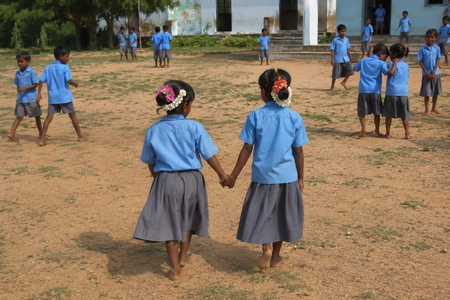
The loss of education limits their opportunities for personal growth, skill development, and future employment. Without access to learning, young girls are less likely to become financially independent or participate fully in social and civic life. Communities, in turn, lose the potential contributions of educated and empowered individuals who could have driven positive change.
Economic Consequences for Families and Society
The economic impact of child marriage is substantial and long-lasting. Girls who leave school early often have fewer opportunities to secure stable employment and earn a sustainable income. This can perpetuate cycles of poverty within families and reduce economic productivity at a national level.
When girls are denied education and employment opportunities, societies lose valuable talent, innovation, and workforce participation. Studies have consistently shown that investing in girls' education contributes to stronger economies, healthier families, and more resilient communities. Conversely, child marriage creates barriers that hinder social and economic development for generations.
Building a Future Free from Child Marriage
Ending child marriage requires collective action from families, communities, schools, governments, and civil society organisations. Raising awareness, ensuring access to quality education, promoting gender equality, and strengthening support systems for vulnerable families are essential steps towards lasting change.
At Spreading Bliss Foundation, we believe that every child deserves the freedom to learn, grow, and pursue their dreams without the burden of early marriage. Through awareness programmes, educational initiatives, community engagement, and legal support, we work towards creating a society where children are protected, empowered, and given equal opportunities to thrive.
Child marriage is not just a personal issue; it is a social challenge with far-reaching consequences. By investing in children today, we can build healthier communities, stronger economies, and a brighter future for generations to come.