The Psychology of Poverty: How Scarcity Shapes a Child’s Mind
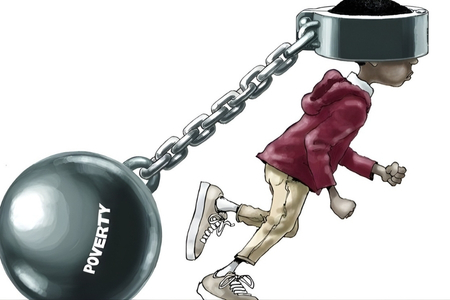
Poverty is not just about a lack of money; it is a condition that deeply shapes how a child thinks, feels, and experiences the world. For children growing up in scarcity, life often becomes a constant exercise in survival. Understanding this psychological impact is essential if we truly want to support their growth and well-being.
Living in “Scarcity Mode”
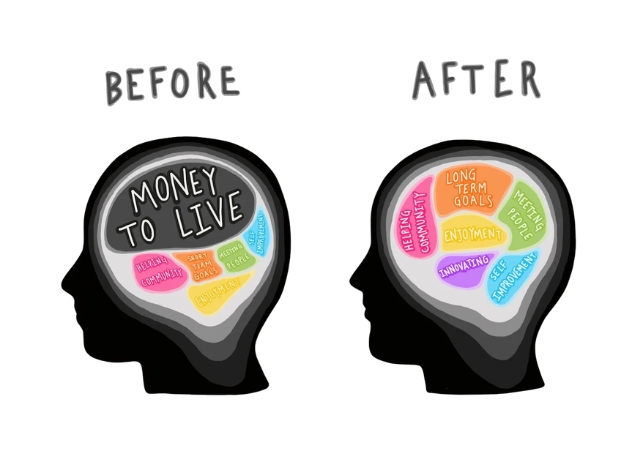
When resources such as food, money, or stability are limited, the brain adapts to prioritize immediate needs. Psychologists describe this as a “scarcity mindset”, where attention is consumed by what is lacking. Research shows that scarcity can “tax” mental capacity, reducing the ability to focus on other important tasks, such as learning or planning for the future.
For a child, this might mean worrying about the next meal instead of concentrating in class. Over time, this constant mental load can affect memory, attention, and decision-making abilities.
The Impact on Learning and Decision-Making
Children living in poverty often face what experts call reduced “cognitive bandwidth.” This means their brains are working harder just to manage stress and uncertainty. As a result, tasks such as problem-solving, retaining information, and making long-term decisions become more difficult.
This is not a lack of intelligence; it is a response to the environment. When a child is forced to prioritise immediate survival, thinking about long-term goals like education or career can feel distant or even unrealistic.
Emotional and Social Effects
Scarcity doesn’t only affect thinking, it shapes emotions and behaviour too. Studies suggest that poverty is linked to higher stress levels and negative emotional states, which in turn influence how individuals make decisions.
Children may become anxious, withdrawn, or overly cautious. In some cases, they may also show reduced willingness to share or trust others when they feel resources are limited.
However, it is equally important to recognise that adversity can also build resilience. Many children growing up in challenging environments develop strong problem-solving skills, adaptability, and empathy, qualities that help them navigate life’s difficulties.
Breaking the Cycle Through Holistic Support
The psychological effects of poverty highlight why child welfare cannot focus on basic needs alone. Nutrition, education, emotional support, and a safe environment must go hand in hand. When children feel secure, their minds are free to learn, explore, and grow.
At Spreading Bliss Foundation (SBF), we recognise that every child deserves more than survival; they deserve the opportunity to thrive. Through our initiatives, we work to reduce the burden of scarcity by providing support in education, health, awareness, and emotional well-being. We also guide families through challenges, ensuring that children are protected, supported, and empowered.
A Shift in Perspective
Understanding the psychology of poverty changes how we view children from underprivileged backgrounds. They are not “less capable”; they are navigating heavier burdens.
When we address scarcity not just materially but psychologically, we create space for children to dream, learn, and build a better future. Because when a child’s mind is freed from survival, it can finally focus on possibility.