The Power of Safe Spaces: Why Children Need Emotional Security to
Thrive
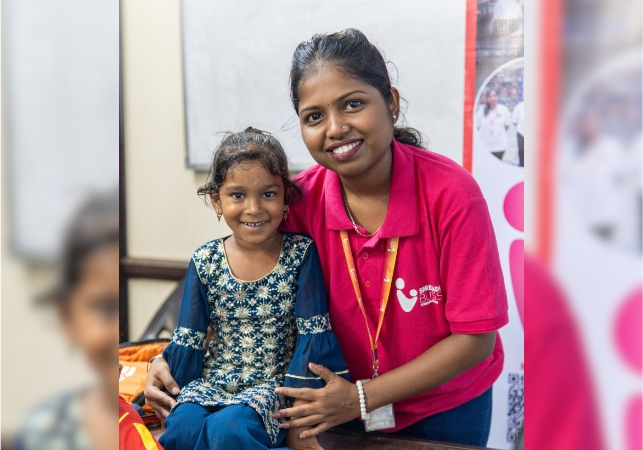
For children, feeling safe means more than being protected from physical harm. A safe space is where a child feels heard, respected, accepted and free to express emotions without fear of judgement. Emotional security plays an important role in how children learn, build relationships, develop confidence and respond to challenges.
For children growing up in vulnerable or challenging circumstances, access to such spaces can make an especially meaningful difference. Spreading Bliss Foundation (SBF) believes that child welfare must go beyond providing basic needs. Children also need supportive environments where they feel valued, can develop their potential, and know someone is there to listen.
Why Emotional Security Matters
Childhood is a period of rapid physical, emotional and social development. Experiences during these formative years can influence how children understand themselves and the world around them.
When children feel emotionally secure, they are more likely to communicate openly, participate in learning and develop healthy relationships. They can ask questions, make mistakes and try new things without constantly fearing criticism or rejection.
On the other hand, persistent fear, neglect, bullying, family difficulties or social isolation can affect a child's confidence and emotional well-being. A child may become withdrawn, anxious or hesitant to seek help.
Creating safe spaces therefore means creating environments where children know that their feelings matter.
Community Centres: Spaces to Belong and Grow
Community centres can become important safe spaces for children, particularly where access to supportive educational and recreational environments may be limited. They can provide opportunities for learning, creative activities, social interaction and meaningful conversations.
More importantly, a community centre can give children a sense of belonging. Being surrounded by adults and peers who encourage them can help children recognise their abilities and develop greater confidence.
Such spaces can also bring children from different backgrounds together, encouraging empathy, cooperation and respect.
The Importance of Mentorship
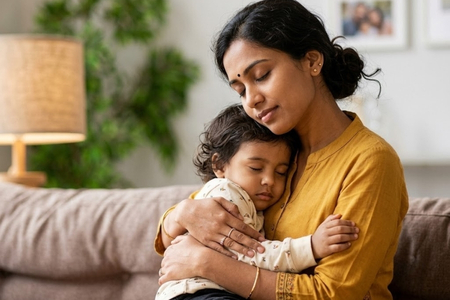
Sometimes, having one trusted adult who listens can make a significant difference in a child's life. Mentors can provide encouragement, guidance and a positive example for children as they navigate challenges.
Mentorship does not mean having all the answers. It can simply mean being present, listening without judgement and helping a child understand that setbacks do not define their future.
Positive mentors can also encourage children to pursue education, develop life skills, explore their interests and make informed decisions. For adolescents especially, supportive mentorship can help them build aspirations and confidence about their future.
Building Safe Spaces Together
Creating emotionally secure environments is a shared responsibility. Parents, educators, community workers, mentors and organisations all have a role to play in ensuring that children have spaces where they can learn, communicate and grow with dignity.
At Spreading Bliss Foundation, the focus on community support, education, mentorship and assistance for children and families reflects the belief that meaningful child welfare must address both visible and emotional needs. By creating supportive community environments and connecting children with guidance and opportunities, SBF works towards helping children feel seen, supported and empowered.
Every child deserves a place where they can be themselves, ask for help, discover their strengths and dream without fear.
Safe spaces do more than protect childhood; they help children build the confidence to shape their future.