The Impact of Plastic Pollution on Our Oceans
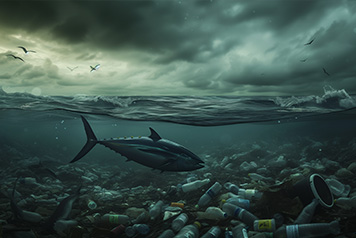
Healthy marine environments are crucial for sustaining life on Earth. These vast bodies of water, covering 70% of our planet's surface, provide us with essential resources like food, energy, and fresh water. Unfortunately, our actions have severely impacted these vital ecosystems. Annually, a staggering five to 14 million tons of waste enter our oceans from coastal regions.
The widespread use and enduring nature of synthetic polymers have led to a global environmental crisis caused by plastic pollution. These plastics can persist in the environment for centuries, posing ongoing threats. The prevalence of single-use plastics, designed for disposal after a single use, exacerbates this issue.
According to the International Union for Conservation of Nature (IUCN), an alarming eight million tons of plastic enter the oceans each year. Floating plastic debris is now the most prevalent form of marine litter. A staggering 80% of marine debris, from surface waters to deep-sea sediments, comprises plastic waste. Plastic pollution is a global concern, with plastic residues found on shorelines across all continents, particularly near tourist hubs and densely populated areas.
Microbeads: A Growing Menace to Ocean Health
Microplastics, which are tiny plastic particles measuring less than five millimetres in length, pose a significant threat to our oceans and aquatic ecosystems. They originate from various sources, including the breakdown of larger plastic debris into smaller fragments. Among these microplastics are microbeads, minute pieces of manufactured polyethene plastic commonly used as exfoliants in health and beauty products like cleansers and toothpaste. Despite their small size, these particles can bypass water filtration systems and enter water bodies, posing a serious risk to marine life.
The United Nations Environment Programme reports that microbeads and other plastic ingredients are found in various products at varying concentrations, ranging from less than 1% to over 90% in some cases. For instance, a typical exfoliating shower gel may contain nearly as much microplastic in its formulation as the plastic used for its packaging. The use of plastic microbeads in personal care items began around six decades ago, gradually replacing natural ingredients with synthetic plastics.
Impact of Plastics on Human Health
The Central Pollution Control Board's (CPCB) Annual Report on Implementing the Plastic Garbage Rules of 2016 provides the most accurate assessment of India's plastic waste generation. In 2018-19, the country produced 3,360,043 tonnes of plastic waste annually, averaging around 9,200 tonnes daily.
This amount represents approximately 5-6 per cent of the total municipal solid waste generated in India, which ranges between 55 and 65 million tonnes daily. Shockingly, only nine per cent of all plastic waste has ever been recycled, with around 12 per cent incinerated and the remaining 79 per cent accumulating in landfills. This extensive plastic waste poses significant challenges, from clogging sewers to endangering aquatic ecosystems and posing health hazards to residents near landfills and coastal regions.
The chemicals used in plastic production are particularly concerning, containing toxic elements like lead, cadmium, and mercury that can directly contact humans. These toxins are linked to serious health issues such as cancer, birth defects, immune system disorders, and developmental problems in children.
Daily exposure to plastic-related chemicals occurs through various sources like air, soil, water, food, and consumer products. For instance, phthalates, commonly used in vinyl products, food packaging, and medical devices, are found in the bodies of eight out of ten infants and almost all adults. Similarly, bisphenol A (BPA), present in polycarbonate containers and can linings, can leach into food and beverages, posing additional health risks.
Effective Ways to Curb Plastic Pollution
- Embrace Reusable Bottles and Cups
- Transition to Reusable Cups
- Choose Eco-Friendly Straws
- Say No to Plastic Bags
- Join Beach Clean-up Initiatives
Ditch disposable plastic bottles for a more sustainable option like metal or copper water bottles. Not only is this cost-effective, but it also significantly reduces plastic waste, with as many as 20 million bottles ending up in landfills each year.
Swap paper cups, which are often lined with non-recyclable plastic, for reusable alternatives. Every year, 16 billion paper cups are used, leading to deforestation, water wastage, and energy consumption. Reusable cups offer a greener solution and are increasingly available in stores and cafes.
Opt for non-plastic alternatives to straws to reduce environmental impact. Metal straws have become popular and are a durable and sustainable choice. Alternatively, skipping the straw altogether is also a responsible option.
Say goodbye to plastic bags by using cloth or tote bags when shopping. Reusing plastic bags creatively, such as for garbage liners or crafts, is another way to minimize their environmental impact.
Contribute to cleaner beaches and oceans by participating in beach clean-up events. Keeping beaches free of litter not only preserves marine life but also promotes community well-being and prevents waterborne illnesses.
Spreading Bliss Foundation strongly condemns plastic pollution and advocates for sustainable practices that protect both marine life and human health. By promoting responsible consumption, advocating for eco-friendly alternatives, and supporting policies that reduce plastic waste, we strive to create a cleaner, healthier planet for current and future generations.