Debunking Common Menstruation Myths and Maintaining Good Hygiene
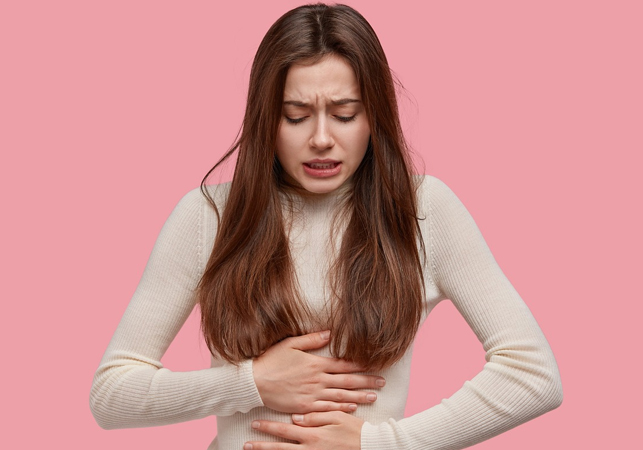
Menstruation is a natural part of life, yet it's often surrounded by myths, misconceptions, and unnecessary stigma. Whether you're new to the experience or a seasoned pro, understanding your menstrual health and knowing how to maintain proper hygiene during your period is essential for comfort and well-being.
In this blog, we’ll debunk some common menstrual myths and share essential tips for maintaining good hygiene during your period.
1. Myth: Menstruation is Dirty or Unhygienic
Many cultures and old beliefs historically associate menstruation with dirtiness or impurity, a view rooted in outdated ideas and misinformation. These cultural stigmas are often influenced by factors like lack of education, taboos surrounding bodily functions, and misconceptions about menstrual health. However, menstruation is a completely natural biological process that millions of people experience every month, and it is not inherently "dirty." Menstrual blood is simply a mixture of blood and tissue from the uterine lining, and it's a sign of a healthy reproductive system.
Scientific research supports that menstruation itself is not unhygienic or harmful. The World Health Organization (WHO) and other health authorities emphasize that menstrual hygiene is about keeping the body clean and using the right menstrual products to avoid infections. For example, keeping menstrual products clean and changing them regularly is essential for maintaining hygiene. Failing to do so can increase the risk of bacterial growth, leading to conditions like urinary tract infections (UTIs) or toxic shock syndrome (TSS) in the case of tampons.
Proper Hygiene Tip: To maintain proper hygiene during your period, it's important to regularly change menstrual products like pads, tampons, or menstrual cups. Changing these every 4-6 hours is recommended, or more frequently if you have a heavy flow. According to the Centers for Disease Control and Prevention (CDC), this helps prevent bacterial growth and reduces the risk of infections, keeping your menstrual health in check.
In addition, it’s key to wash your hands thoroughly before and after handling your menstrual products. Using unscented, mild soap and water can also help avoid irritation or allergic reactions, and it’s a simple way to ensure you’re staying clean and comfortable.
Understanding menstruation as a natural, healthy process, rather than something shameful, can help dismantle the stigma and promote better menstrual health practices globally.
2. Myth: You Shouldn’t Wash Down There During Your Period
It’s a common misconception that washing the genital area during menstruation is unnecessary or could lead to infections. However, maintaining proper hygiene is crucial for preventing the build-up of blood, bacteria, and sweat, which can cause unpleasant odors and increase the risk of infections. While the vagina is self-cleaning and does not require internal washing, the external areas, particularly the vulva, do need regular care to stay clean and healthy.
The vulva, which includes the labia, clitoris, and the vaginal opening, is exposed to menstrual blood, bacteria, and sweat, all of which can contribute to discomfort or infections if not properly cleaned. The American College of Obstetricians and Gynecologists (ACOG) states that it is important to clean the external genital area with water, as it helps prevent bacterial build-up without disrupting the natural balance of bacteria that protect the vaginal environment.
Proper Hygiene Tip: Use warm water and a mild, fragrance-free soap to gently wash the vulva. Avoid using harsh soaps or douches, as these can disturb the natural pH balance of the vagina, making it more susceptible to yeast infections, bacterial vaginosis, or irritation. The vagina’s natural pH typically ranges between 3.8 and 4.5, and disrupting this balance with scented products or harsh chemicals can alter the environment and potentially lead to issues.
The Mayo Clinic further advises against douching, which can wash away healthy bacteria and lead to infections like bacterial vaginosis. Additionally, after washing, it’s important to pat the area dry with a clean towel to avoid moisture build-up, which can promote the growth of bacteria and fungi.
3. Myth: You Can’t Exercise During Your Period
The idea that exercise should be avoided during menstruation is largely rooted in outdated cultural taboos rather than any medical necessity. There is no scientific reason to avoid physical activity while on your period. On the contrary, engaging in regular exercise during menstruation can offer several benefits, including relief from menstrual cramps, reduced bloating, and a boost in mood.
According to the American College of Obstetricians and Gynecologists (ACOG), exercise can help alleviate common menstrual symptoms like cramps, which are caused by the hormone prostaglandin that triggers uterine contractions. Physical activity, particularly aerobic exercise like walking, swimming, or yoga, increases blood circulation and endorphin production, both of which can help reduce pain and discomfort. A study published in The Journal of Pain found that moderate exercise significantly reduced the intensity of menstrual cramps and discomfort.
Moreover, exercise can help reduce bloating, a common symptom of menstruation, by increasing blood flow and promoting digestion. A study from The British Journal of Sports Medicine found that regular physical activity was effective in improving the physical and emotional symptoms associated with premenstrual syndrome (PMS), further supporting the benefits of staying active during your period.
Proper Hygiene Tip: If you choose to exercise during your period, it's important to wear comfortable and absorbent menstrual products that won't interfere with your workout. Options like tampons, menstrual cups, or period underwear are all suitable choices, as they allow for mobility and provide reliable protection. Ensure to change your menstrual product before your workout if it has been in for several hours, as prolonged use of a tampon or menstrual cup beyond 4-6 hours can increase the risk of toxic shock syndrome (TSS).
Staying active during your period not only helps manage physical symptoms but can also improve your mental health, reducing mood swings and feelings of fatigue that often accompany menstruation. By choosing the right products and exercising at a comfortable intensity, you can maintain your regular fitness routine without any concerns.
Menstrual hygiene is an important aspect of your overall health, and breaking down myths and misconceptions can help make the experience more manageable and less stressful. By using the right products, maintaining proper hygiene, and understanding your body, you can manage your period with confidence. It’s time to embrace menstruation as the natural process it is, free from shame, stigma, or misinformation.
Remember, the key to healthy menstrual hygiene is consistency. Keep yourself clean, stay informed, and take care of your body. No matter what myths you may encounter, trust that your health is in your hands, and there’s no reason you can’t live your life fully during your period.
Spreading Bliss Foundation is committed to empowering women by providing essential knowledge and resources for menstrual hygiene. Our mission is to ensure that every woman, regardless of her background, has access to safe, hygienic, and dignified period management.