Exploring the Significance of Menstrual Hygiene
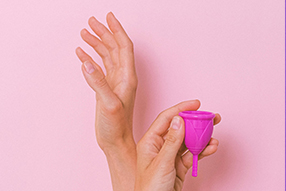
88% of women in India do not utilize the most fundamental type of menstrual protection accessible in the market!
Imagine the challenge of menstruating without access to proper toilets or running water. Picture not having sanitary menstrual products or facing feelings of shame, embarrassment, and isolation because of menstruation. Sadly, this is the harsh reality for numerous women in India who struggle with inadequate menstrual hygiene management. Women and girls from marginalized communities constantly confront these difficult challenges.
In India, menstruation, a natural aspect of the reproductive cycle, remains a sensitive topic with societal stigmas attached. Despite celebrating childbirth, discussing periods is often frowned upon and considered taboo in many places. In some communities, menstruating women are viewed as impure and contaminated.
To dispel these misconceptions and raise awareness, the Indian government initiated the National Menstrual Hygiene Scheme as part of the 'Rashtriya Kishor Swasthya Karyakram' in 2014. The scheme aims to promote menstrual hygiene among adolescent girls in rural areas by providing sanitary napkins and training self-help groups to produce them. Additionally, numerous leading NGOs in India are actively assisting women and adolescent girls in adopting safe and hygienic menstrual practices.
However, despite these efforts, many women still resort to using old clothes, leaves, or whatever they can find to manage menstrual blood, which not only restricts their mobility but also poses serious health risks.
Each year, approximately 23 million girls drop out of school after experiencing their first period. Many of these adolescent girls are fearful of societal judgment and aware of the inadequate sanitation facilities, lack of access to sanitary pads, and absence of cleanliness programs in schools.
Managing Periods in a Healthy Way
Menstruation is a natural process, crucial for women's reproductive health, marked by the regular discharge of blood and tissue from the uterus, commonly known as a period. It typically begins between twelve to fifteen years of age, termed menarche.
However, many girls face challenges due to inadequate information, socio-cultural norms, and the use of unhygienic products instead of safe sanitary pads. This lack of knowledge can make it challenging for girls to maintain proper hygiene during menstruation.
Furthermore, some cultural practices forbid women from bathing or cleaning themselves adequately during their periods, increasing their health risks and vulnerability to infections. Insufficient water and sanitation facilities with basic hygiene amenities like water, soap, and gender-separate toilets further compound these challenges, sometimes leading women to avoid going outside during menstruation altogether.
Providing proper menstrual solutions like sanitary napkins, tampons, and maintaining genital cleanliness can significantly reduce infections in women by up to 97%. Changing sanitary napkins every 4 hours and washing hands are crucial steps to prevent infections. Proper use and disposal of sanitary napkins not only promote hygiene but also boost women's confidence to engage in daily activities without hindrance.
For some women with heavy flows, changing pads every 2 hours may be necessary. Access to adequate Water, Sanitation, and Hygiene (WASH) facilities, coupled with sanitary napkins can empower more girls and women.
Here are the top 4 reasons why maintaining good hygiene during periods is essential:
Reducing the Risk of Urinary Tract Infections (UTIs)
Using damp or dirty clothes for menstrual hygiene, or wearing sanitary pads for extended periods, creates a favourable environment for bacterial and yeast growth. Bacteria like Candida albicans, Staphylococcus aureus, E. coli, and Pseudomonas aeruginosa thrive in such conditions, leading to UTIs characterized by painful urination, lower abdominal pain, back pain, and fever. These complications can be prevented by using clean sanitary napkins, washing the genital area with mild soap and water, and changing pads every 4 hours, followed by handwashing.
Preventing Genital Rashes During Menstruation
Moisture in the genital area for prolonged periods can lead to abrasions, rashes, and allergic reactions during menstruation. Many commercially available sanitary napkins contain Super Absorbent Polymer (SAP) for absorption and Polyethylene (PE) for waterproofing in the back cover. The plastic components in these pads can cause rashes if not changed regularly.
Fortunately, biodegradable napkins are now accessible, offering both eco-friendliness and reusability, ensuring safety and sustainability for women during their periods.
Promoting Good Reproductive Health
Unhygienic menstrual practices and improper hygiene can result in Reproductive Tract Infections (RTIs), which are widespread in developing countries and have significant consequences for women's health. If left untreated, RTIs can lead to infertility, ectopic pregnancy, and increased susceptibility to HIV transmission.
A considerable number of women in India rely on unhygienic materials for managing menstrual blood, putting them at risk of RTIs and vaginal discharge. To safeguard women's reproductive health, awareness programs, access to sanitary pads, and clean water are crucial components. These initiatives can significantly contribute to maintaining good reproductive health among women.
Reducing the Risk of Cervical Cancer
Cervical cancer is a type of cancer that develops in the cells of the cervix, the lower part of the uterus connecting to the vagina. Persistent infection with certain types of human papillomavirus (HPV) is the primary cause of cervical cancer. HPV is a common virus transmitted through sexual activity. While about half of sexually active individuals will contract HPV at some point, only a small fraction will develop cervical cancer.
Inadequate menstrual hygiene can also contribute to cervical cancer. India, with over 70,000 new cases annually, ranks high in cervical cancer among women. Regular handwashing after changing sanitary pads and maintaining genital hygiene during periods can help reduce the risk of cervical cancer.
Education plays a crucial role in raising awareness about menstruation and its impact on overall health. There's a pressing need to educate women about the benefits of using sanitary napkins, not just for preventing infections but also for maintaining hygiene and dispelling myths and taboos surrounding menstruation.
Many teenage girls, especially from underprivileged backgrounds, lack awareness of proper menstrual hygiene practices, leading to unsafe practices. Education and access to menstrual hygiene products are essential in empowering these girls to adopt safer hygiene practices.
Spreading Bliss is dedicated to empowering women with essential knowledge and resources for menstrual hygiene. Our mission is to ensure safe, hygienic, and dignified period management for every woman, irrespective of her background.