The Role Of Mangroves And Seagrasses In Marine Health

Mangroves and seagrasses are crucial components of marine ecosystems, presenting numerous ecological, monetary, and social benefits. regularly disregarded, those coastal habitats play a vital role in maintaining ocean health. This blog post delves into the significance of mangroves and seagrasses, their contributions to marine health, and the challenges they face
What are mangroves?Mangroves, also referred to as halophytes, are salt-tolerant timber, shrubs, and ferns that thrive in the harsh conditions of coastal environments. They own complicated salt filtration structures and complicated root structures that permit them to deal with the salinity and wave movement of coastal waters. Mangroves are usually located inside the top 1/2 of the intertidal zone, where they adapt to low oxygen situations in mudflats.
What is sea grass?
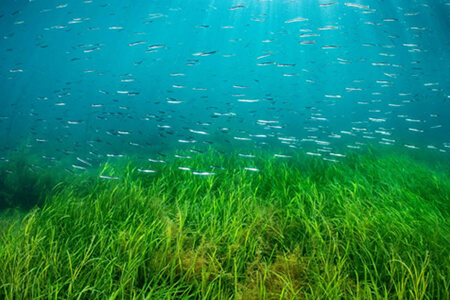
Seagrass, a group of flowering plant life that has colonised the oceans since the time of the dinosaurs, is particular in its capacity to stay underwater. Unlike actual grasses, seagrasses are more closely associated with lilies and gingers. They develop in oceanic soil, providing flat leaves and root-like structures that anchor them to the seabed.
Importance of Mangroves and SeagrassesCoastal protection: mangroves function as herbal limitations against hurricane surges, tsunamis, and erosion. Their complex root systems stabilise beaches and reduce the effect of waves, shielding coastal communities.
Habitat and Biodiversity: Mangroves offer critical habitats for a selection of marine and terrestrial species, such as fish, birds, and invertebrates. They function as nurseries for plenty of commercially crucial fish species.
Water first-rate: mangroves improve water quality by trapping sediments, nutrients, and pollutants, stopping them from reaching coral reefs and seagrass beds.
Erosion management: The dense root systems of seagrasses stabilise sediment and reduce coastal erosion. They maintain water readability by trapping quality sediments.
Carbon Sequestration: Seagrasses play a sizeable function in mitigating climate change by taking pictures and storing massive amounts of carbon in their biomass and sediments.
Nutrient biking: Seagrasses make a contribution to nutrient cycling in coastal ecosystems, improving the productiveness and health of adjacent habitats like coral reefs and mangroves.
Threats and demanding situationsDespite their significance, mangroves and seagrasses face numerous threats, consisting of:
Habitat Destruction: Coastal development, aquaculture, and deforestation have triggered a sizeable loss of mangrove and seagrass habitats internationally.
Pollutants Runoff from agriculture, enterprise, and concrete areas introduces pollutants and excess nutrients into coastal waters, harming mangrove and seagrass ecosystems.
Weather exchange: growing sea ranges, growing temperatures, and ocean acidification pose important threats to those habitats, leading to the lack of mangrove forests and the decline of seagrass meadows.
OverexploitationOverfishing and unsustainable harvesting of mangrove wood and seagrass assets degrade these ecosystems and decrease their potential to provide critical offerings.
How are we able to save them?Covered areas setting up marine protected regions (MPAs) can help guard crucial habitats and support the recovery of degraded ecosystems.
Sustainable Practices: Enforcing sustainable coastal development and fishing practices can reduce strain on mangroves and seagrasses.
Network Engagement: Concerning local communities in conservation efforts fosters stewardship and guarantees that the advantages of healthy ecosystems are shared equitably.
Healing initiatives: lively recuperation projects, consisting of planting mangroves and seagrasses, can help rehabilitate broken habitats and enhance their ecological functions.
ConclusionMangroves and seagrasses are essential to marine fitness, offering massive ecological, economic, and social blessings. Protecting and restoring those essential ecosystems is essential for sustaining the health of our oceans and the properly-being of coastal communities. By addressing the demanding situations they face and selling sustainable practices, we are able to make sure that mangroves and seagrasses continue to thrive and support marine existence for generations to come.