Malnutrition and Immunity: Why Undernourished Children Fall Sick More
Often
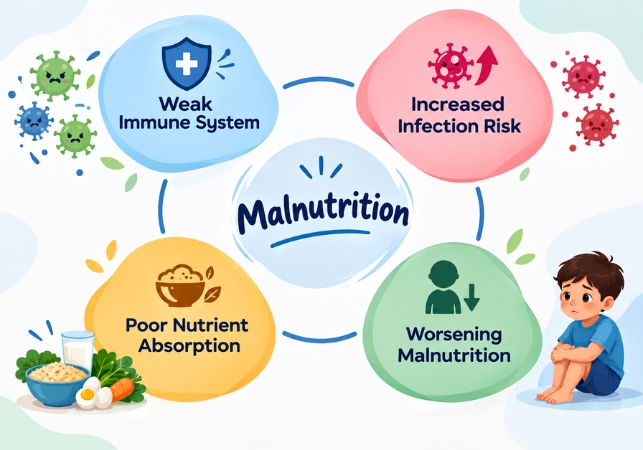
A child’s immune system is their natural defence against infections. But for millions of children, especially those living in vulnerable communities, this defence can be weakened by a lack of adequate nutrition. Malnutrition is not simply about being underweight; it can affect the body’s ability to grow, repair itself and fight disease. This creates a cycle in which undernourished children become sick more often, while repeated illnesses make it even harder for them to recover and grow.
How Nutrition Supports Immunity
The immune system requires a constant supply of nutrients to function properly. Proteins provide the building blocks needed to produce antibodies, immune cells and other essential proteins. Vitamins and minerals such as vitamins A, C and D, zinc, iron and selenium support different immune processes, from maintaining protective tissues to producing and activating immune cells.
When a child does not receive enough food or lacks a varied, nutrient-rich diet, these processes can be affected. The body may prioritise basic survival functions, leaving fewer resources available for growth and immune defence.
The Gut-Immune Connection
A large part of the body's immune activity is closely connected to the digestive system. The gut contains trillions of microorganisms that interact with the immune system and help maintain a healthy intestinal environment.
Undernutrition can damage the intestinal lining and disturb the balance of microorganisms in the gut. This can make it more difficult for the body to absorb nutrients and maintain an effective barrier against harmful organisms. As a result, children may become more vulnerable to infections such as diarrhoeal diseases and respiratory illnesses.
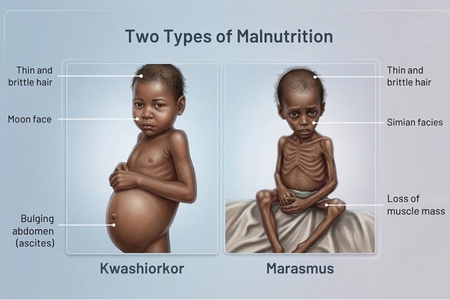
Illness and Malnutrition: A Dangerous Cycle
The relationship between malnutrition and illness works both ways. An infection can reduce a child's appetite and increase the body's nutritional requirements. Fever, diarrhoea or vomiting can also cause the loss of fluids and nutrients.
For an already undernourished child, even a relatively common infection can therefore have a greater impact. Recovery may take longer, growth can be affected, and the child may become increasingly vulnerable to another infection.
This creates a cycle:
Poor nutrition → weakened immunity → increased infections → greater nutrient loss and reduced intake → worsening malnutrition.
Breaking this cycle requires more than treating illness after it occurs.
Building Stronger Defences Through Nutrition
Preventing childhood malnutrition means ensuring children have access to adequate calories, protein, micronutrients, clean water, sanitation and appropriate healthcare. Breastfeeding during infancy, nutritious complementary foods, regular growth monitoring and timely medical attention are also important components of child health.
At Spreading Bliss Foundation, we believe that nutrition is an essential part of giving children a healthier start in life. Through initiatives supporting nutritional needs and vulnerable families, SBF works towards ensuring that children receive the nourishment and care they need to grow, learn and thrive.
A well-nourished child is better equipped to face everyday health challenges. Nutrition is not merely about filling a child's stomach—it is about strengthening the foundation on which their growth, immunity and future depend.