78th Independence Day: The Path We Have Tread & The Road Ahead

“At the stroke of the midnight hour, when the world sleeps, India will awake to life and freedom.” These words signalled more than just the end of colonial rule—they marked the dawn of a new era where India would govern itself and chart its own course.
Our leaders wasted no time in demonstrating their capabilities. By 1951, the Indian Railways was established, now operating over 7,000 stations. That same year, India held its first general elections, and in 1956, Asia’s first nuclear reactor was built on Indian soil.
The sacrifices made by countless freedom fighters—who risked their lives and the safety of their families—are the foundation of the freedom we enjoy today. It is our duty to build a nation worthy of their sacrifice.
Yet, even as we celebrate our freedom, it is crucial to acknowledge that it has not reached everyone equally. Recent tragedies, such as the heartbreaking case of a young post-graduate trainee doctor in Kolkata, remind us of the ongoing struggles, particularly regarding gender violence. This tragedy underscores a pervasive issue: the safety and dignity of women remain at risk across various spaces—be it educational institutions, workplaces, or even within their own homes.
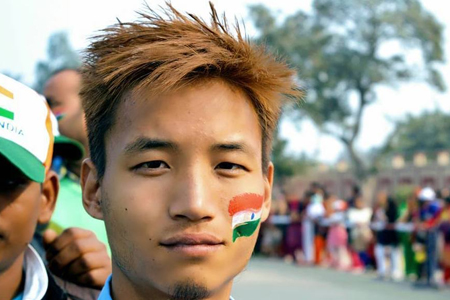
Moreover, our northeastern brothers and sisters often face unwarranted prejudice and discrimination. They are questioned about their patriotism, lifestyle, and even their humanity. Our understanding of "Diversity in India" must include the voices and contributions of the seven sisters of the Northeast. By celebrating their culture, inviting them into our communities, sharing their traditions, and supporting their arts, we can help ensure that every part of India is recognized and valued.
The LGBTQ+ community also faces significant challenges. Many queer individuals feel unsafe revealing their identities, often due to lingering stigmas. It is essential to affirm that LGBTQ+ identities are neither foreign nor unnatural but are an integral part of our society.
Additionally, it is important to address the misconception that societal reforms are to blame for crimes committed by marginalized groups. Every crime is a tragedy but with such large and diverse populations—including approximately 500 million women, 45 million people from the Northeast, and 135 million identifying as LGBTQ+ individuals—some instances of crime are inevitable. Blaming reforms for these issues is both unjust and inaccurate.
As we mark the 78th Independence Day, let us honour our freedom fighters by striving to create a more inclusive and equitable India. Let’s commit to realizing the true promise of freedom for every citizen.
Spreading Bliss Foundation wishes you all a very Happy Independence Day. Together, let us celebrate our shared heritage and work towards a future where every Indian’s freedom is realized.