Why Holistic Development Is the Future of Child Welfare in India
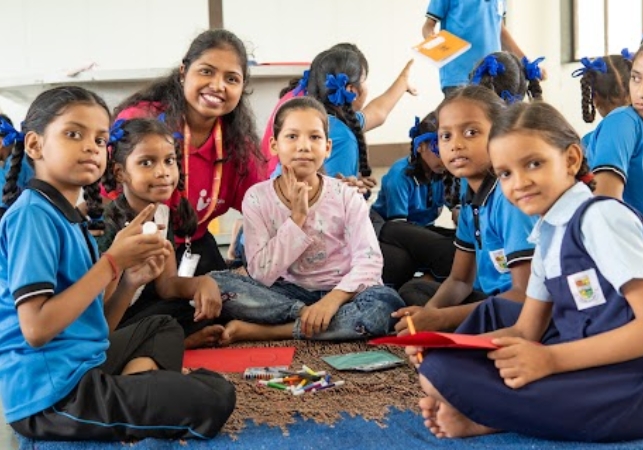
India is home to the world’s largest child population, with nearly 40% of its citizens under 18. While significant progress has been made in improving access to education and healthcare, the reality for millions of children, especially those from marginalised communities, remains complex and deeply interconnected. Poverty, malnutrition, lack of education, poor mental health, unsafe environments, and limited access to basic services often overlap. Addressing these challenges in isolation is no longer enough. This is why holistic development is emerging as the future of child welfare in India.
Beyond Survival: Nurturing the Whole Child
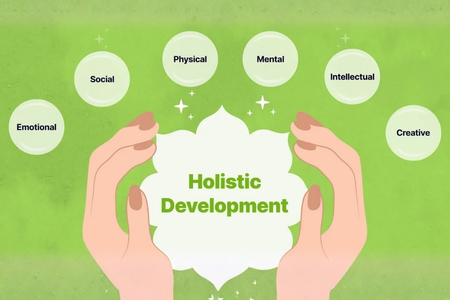
Traditional child welfare approaches have often focused on survival, food, shelter, and basic medical care. While these remain essential, children need far more to truly thrive. Holistic development recognises that a child’s well-being is shaped by multiple factors: physical health, emotional security, education, social skills, safety, and dignity.
A child who receives nutritious food but lacks emotional support may struggle to learn. A child who attends school but suffers from untreated health issues or trauma may drop out. Holistic development ensures that interventions address the whole child, not just one aspect of their life.
The Interconnection of Health, Education, and Emotional Well-Being
Health and education are deeply intertwined. Malnutrition affects cognitive development, frequent illness disrupts schooling, and untreated mental health concerns impact behaviour and learning outcomes. In India, where many children face early life stress, trauma, and neglect, emotional well-being is often overlooked.
Holistic child welfare integrates healthcare, nutrition, education, and psychosocial support. It creates environments where children feel safe, valued, and motivated to learn. When emotional resilience is nurtured alongside academic growth, children are better equipped to face challenges and build sustainable futures.
Addressing Social Inequality at the Root
Child welfare cannot be separated from the socio-economic realities in which families live. Poverty, gender inequality, disability, caste-based discrimination, and lack of access to sanitation and clean water all affect a child’s development. Holistic models focus not only on the child but also on strengthening families and communities.
By supporting caregivers, creating awareness, and improving community systems, holistic development breaks cycles of vulnerability. It shifts child welfare from short-term relief to long-term empowerment.
Preparing Children for Life, Not Just School
Education must go beyond textbooks. Life skills, critical thinking, emotional intelligence, and health awareness are essential for children to navigate the modern world. Holistic development equips children with the confidence and skills needed to make informed choices, build healthy relationships, and contribute positively to society.
Children who grow up with a strong sense of self-worth and purpose are more likely to become responsible citizens and changemakers.
A Sustainable Vision for India’s Future
India’s demographic dividend can only be realised if children grow into healthy, skilled, and emotionally secure adults. Holistic child welfare creates sustainable impact by investing early, addressing smultiple needs simultaneously, and building resilient systems of care.
At Spreading Bliss Foundation, we believe that every child deserves the opportunity to grow in a nurturing, inclusive, and supportive environment. Our approach integrates health, education, awareness, and emotional well-being to ensure no child is left behind.
The future of child welfare in India lies not in fragmented solutions, but in holistic development, because when we nurture the whole child, we build a stronger nation.