ESG and Child Development: Where Corporate Responsibility Meets Human
Impact
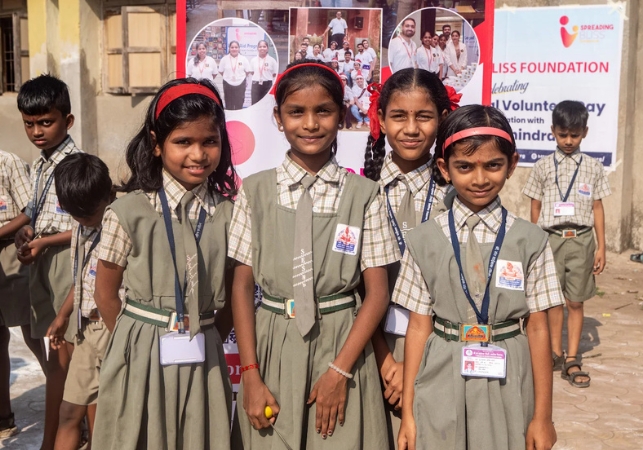
Environmental, Social, and Governance (ESG) has evolved far beyond a corporate reporting framework. Today, it is a reflection of how businesses create long-term value, not just for shareholders, but for society as a whole. While environmental commitments often take centre stage, the 'Social' pillar of ESG presents one of the greatest opportunities for businesses to create lasting human impact, particularly through investments in child development.
Children are the foundation of every nation's future. Their health, education, safety, and overall well-being directly influence the workforce, economy, and communities of tomorrow. When companies invest in children, they are not merely fulfilling their Corporate Social Responsibility (CSR) obligations; they are contributing to sustainable development and building resilient societies.
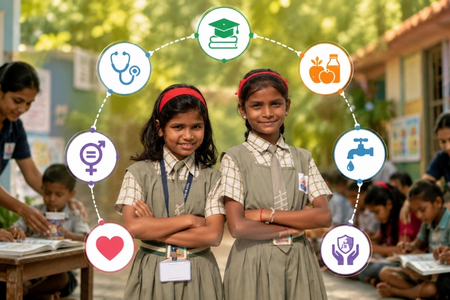
Child development is inherently holistic. A child cannot excel academically without good health. Proper nutrition alone cannot unlock potential without access to quality education. Emotional well-being, protection from abuse, gender equality, clean sanitation, and safe learning environments all work together to shape confident and capable individuals. This interconnected approach aligns seamlessly with the principles of ESG, where long-term value creation depends on improving the quality of life for people and communities.
India is increasingly recognising this connection. In 2026, the Ministry of Women and Child Development organised a National CSR Workshop, encouraging businesses to strengthen Early Childhood Care, Education and Nutrition through partnerships that support Anganwadi centres across the country. The initiative reinforced that investing in children is not simply philanthropy; it is a strategic investment in India's future.
Similarly, UNICEF India's recently launched Inclusive Impact for Early Years (II4E) platform brings together businesses, healthcare experts, governments and civil society to support children with developmental delays and disabilities. The initiative demonstrates how corporations can use their expertise, networks and resources to improve early intervention, caregiver support and inclusion for children.
However, recent research also highlights an important challenge. While many companies publicly commit to ESG principles, children's rights and well-being often remain underrepresented in sustainability reporting. A UNICEF study across emerging Asian markets found that children continue to be largely invisible in corporate ESG disclosures despite facing significant risks related to health, nutrition, climate change and digital safety. The report calls for businesses to integrate child-focused indicators into their ESG strategies and measure their real-world impact.
At Spreading Bliss Foundation (SBF), we believe meaningful ESG is measured by the lives it transforms. Through programmes focused on child welfare, education, health awareness, gender equality, menstrual hygiene management, legal guidance, and community development, we work alongside corporates to create measurable and sustainable social impact. Our partnerships are designed not merely to deliver activities but to empower children, strengthen families, and build resilient communities.
For organisations seeking to strengthen their ESG commitments, investing in child development is both a moral responsibility and a strategic decision. Every healthy child, every educated girl, every protected adolescent, and every empowered family contribute to stronger communities, a more skilled future workforce, and a more equitable society.
The future of ESG is not defined solely by carbon footprints or governance metrics. It is equally defined by the opportunities created for the next generation. When businesses choose to invest in children today, they are investing in a more sustainable, inclusive and prosperous tomorrow.