Understanding Disability Pride Month: Significance and Celebration

When we think of "Pride Month," we often associate it with the LGBTQIA+ community, but there’s another crucial observance: Disability Pride Month.
The roots of Disability Pride Month trace back to March 12, 1990, when thousands marched to the White House to advocate for the Americans with Disabilities Act (ADA). In a powerful act of protest, many activists demonstrated by crawling up the steps of the White House, highlighting the societal barriers faced by people with disabilities.
This event, known as the "Capitol Crawl," led to the arrest of 104 activists but ultimately resulted in the signing of the ADA by President George H. W. Bush on July 26, 1990. This landmark legislation prohibits discrimination against individuals with disabilities, and since then, July has been recognized as Disability Pride Month.
Disability Pride Month draws inspiration from movements like LGBTQIA+ Pride and Black Pride. It serves as a time to honour the contributions of disabled activists and to raise awareness about the challenges and social stigma faced by disabled individuals.
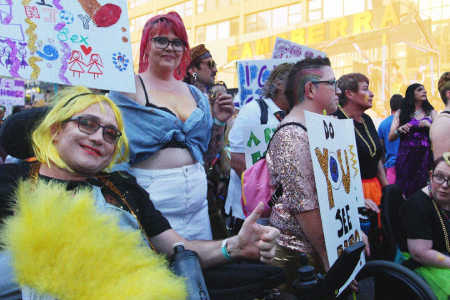
While Disability Pride Month is celebrated with parades in some places, it lacks widespread recognition in countries like India. But India has made tremendous strides when it comes to disability rights with discrimination against the disabled being illegal and seats have been reserved for them in government institutions. However, we can foster change in our everyday actions to create a more inclusive environment for people with disabilities.
Advancements in technology have significantly benefited individuals with disabilities. Features such as "talk-back" and "double-click" on smartphones empower visually impaired users to navigate devices independently. Games like The Last of Us Part II have also incorporated accessibility options, allowing gamers with visual impairments to enjoy the experience. Additionally, streaming platforms like Netflix offer "Audio Description," enhancing accessibility for blind viewers by narrating the visual elements of films.
Content creators can contribute to inclusivity by adding subtitles or captions to videos, aiding deaf viewers in comprehending the content. This practice also benefits hearing individuals who may be in public settings without headphones, fostering a more inclusive atmosphere for all.
The COVID-19 pandemic prompted many companies to adopt remote work models, leading to increased employment opportunities for disabled individuals—reportedly by 30% . This shift not only supports independence for disabled workers but can also improve work-life balance for all employees. For instance, women who may feel unsafe in male-dominated workplaces or have childcare concerns can find greater flexibility and security through remote work options.
Moreover, physical accessibility remains a critical area for improvement. Many buildings lack essential features like ramps and elevators, posing challenges for wheelchair users and the elderly. While some government buildings include braille signage, many private establishments do not, limiting accessibility for blind individuals. We must make provisions for disabled people wherever possible so that all can enjoy the fruits of community spaces.
To celebrate Disability Pride Month, remember to share the achievements of disabled activists but at the same time keep talking because there is yet more progress to be made.
Thank you for engaging with this blog. Please share this article with friends and family to spread awareness about Disability Pride Month and the importance of creating a more inclusive society.