Child Rights in 2026: What Every Indian Parent Should Know
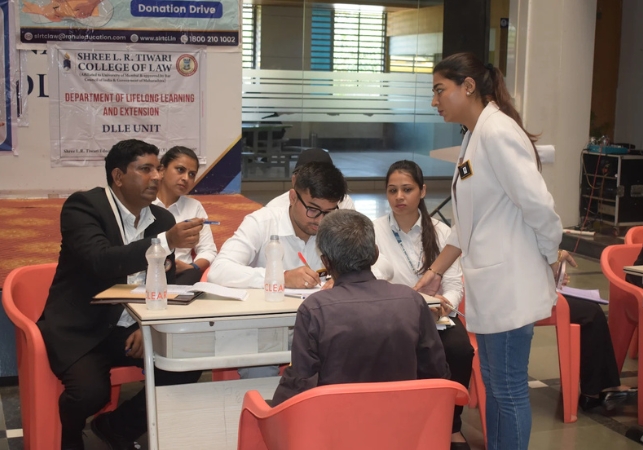
Children are among the most vulnerable groups in society. While India has made significant legal progress over the years, understanding your child’s rights and how to exercise them remains essential for every parent.
1. Children’s Rights Are Protected by the Constitution and Law
India’s Constitution and legal system guarantee specific rights for children, backed by strong protective laws:
- Right to Education: Every child aged 6–14 has the right to free and compulsory education under the Right of Children to Free and Compulsory Education Act (RTE Act, 2009). This is grounded in Article 21A of the Constitution.
- Protection from Exploitation: Article 24 of the Constitution prohibits the employment of children under 14 in hazardous conditions.
- Right to Development: Constitutional directives (Articles 39(e) and 39(f)) mandate the protection of children from exploitation and support their healthy development.
- India is also a signatory to the UN Convention on the Rights of the Child (UNCRC), reinforcing global norms for survival, protection, education, and participation.
2. Key Laws Every Parent Should Know
These laws form the foundation of child rights protection in India:
- Protection of Children from Sexual Offences (POCSO) Act, 2012: Protects children under 18 from sexual abuse, harassment, and exploitation, with child-friendly reporting and trial processes.
- Juvenile Justice (Care and Protection of Children) Act, 2015: Provides a legal framework for the care, protection, rehabilitation and reintegration of children in need of support, including those in conflict with law.
- Prohibition of Child Marriage Act, 2006: Bans child marriage (under 18 for girls, under 21 for boys) and provides legal aid and rescue mechanisms.
- Child Labour (Prohibition & Regulation) Act (Amendment 2016): Prohibits employment of children under 14 in all occupations and regulates work conditions for adolescents.
- Commissions for Protection of Child Rights Act, 2005: Establishes the National & State Commissions to ensure child rights are upheld and to monitor implementation of protective laws.
3. Rights in Education: Recent Developments
In January 2026, India’s Supreme Court emphasised the implementation of the RTE Act, particularly the 25% quota for children from economically weaker sections in private schools. States must now issue enforceable rules to make this right practical and transparent.
4. Protection from Abuse, Violence, and Labour
Despite the laws:
- Millions of children still face violence, abuse, and exploitation in homes, schools, and communities. UNICEF notes that violence against children remains widespread and that legal protection needs stronger ground-level enforcement.
- Recent enforcement drives in Telangana rescued more than 100 children from child labour, showing both commitment and the scale of the problem.
- Public awareness is increasing, with projects teaching children about good touch, personal safety, rights, and helplines through interactive methods in schools.
5. Legal Support and Justice Rights for Children
India’s justice system includes mechanisms for children, but they aren’t always fully child-friendly. UNICEF works with authorities to ensure courts and police treat children with dignity and care, especially when they are victims or witnesses.
6. Practical Rights Every Parent Should Know
- Right to Education and Quality Learning: No fees for ages 6–14; seats reserved for underprivileged children.
- Right to Protection: Protection against abuse, exploitation, trafficking, and harmful practices like child marriage.
- Right to Health and Development: Access to nutrition, healthcare, and safe environments.
- Right to Legal Representation: Free legal aid is available under the Legal Services Authorities Act, and youth can be assisted with matters such as custody, maintenance, or protection cases.
7. How SBF Helps Parents and Children
At Spreading Bliss Foundation (SBF), we support families beyond awareness:
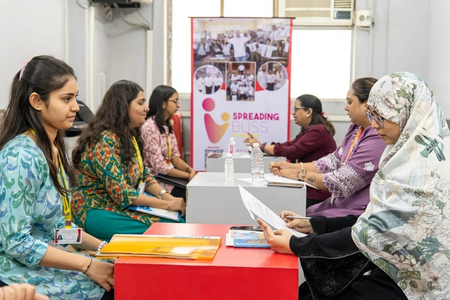
- Legal Aid & Guidance: We assist parents and caregivers in understanding the law and accessing free legal services when rights are violated, whether in education, protection, custody, or abuse cases.
- Awareness & Workshops: We conduct workshops and awareness campaigns to equip parents and children with legal knowledge and safety tools.
- Child Protection Initiatives: Through community programs and partnerships with legal professionals, we help families navigate child welfare systems and advocate for justice when violations occur.